How to Know if You Need Therapy: 5 Signs It's Time to Talk
For many people in the UK, the decision to seek professional mental health support isn't a sudden realization, but a slow accumulation of "off" days. You might find yourself wondering, "Is what I'm feeling normal?" or "Do I really need therapy, or am I just having a bad week?"
In a culture that often prizes "keeping calm and carrying on," it can be difficult to distinguish between the routine stresses of modern life and the signs that your emotional infrastructure is under significant strain. However, therapy is no longer just a crisis intervention; it is a proactive tool for high-functioning individuals to maintain their mental clarity, improve workplace relationships, and navigate the complexities of 2026.
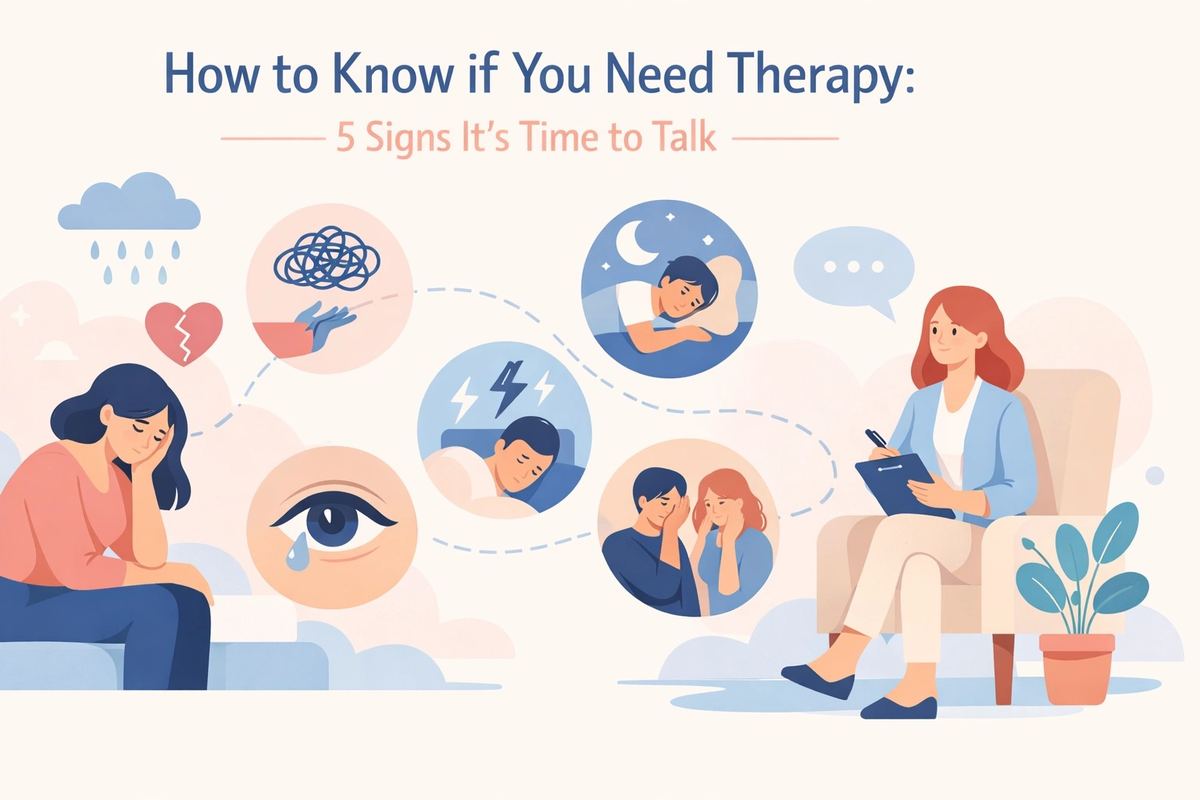
If you are currently questioning whether to reach out, here are five evidence-based signs that it might be time to prioritize your wellbeing through online therapy in the UK.
1. Persistent Emotional Distress (The "Low Humming" of Anxiety)
We all experience fluctuations in mood. However, when emotional distress becomes a "lagging indicator" — meaning it persists long after a specific stressful event has passed — it is a signal that your internal regulation system needs support.
If you find yourself caught in a cycle of constant worry, it is important to learn how to deal with anxiety before it escalates into physical burnout. This persistent distress often manifests as:
- Intrusive Thoughts: Ruminating on past mistakes or future "worst-case scenarios."
- Irritability: Snapping at colleagues or loved ones over minor inconveniences.
- A "Flat" Affect: Feeling numb or unable to experience joy, even when things are going well.
When these feelings occur more days than not for a period of two weeks or more, it is a clinical indicator that your cognitive load has exceeded its capacity. Professional support provides the framework to deconstruct these patterns.
2. Disruptions in Your Biological Rhythms
Your body often acts as an early warning system for your mind. When we are mentally overwhelmed, our "Primary Biological Indicators" — specifically sleep and appetite — are the first to show signs of volatility.

- Sleep: Red light — Insomnia, waking up at 3 AM with racing thoughts, or oversleeping. Green light — Falling asleep within 20 mins; feeling rested.
- Appetite: Red light — Emotional eating (comfort food) or a total loss of interest in food. Green light — Consistent energy levels and regular meals.
- Energy: Red light — Chronic fatigue that isn't solved by a weekend of rest. Green light — Fluctuating but manageable energy levels.
Significant shifts in these patterns suggest that your nervous system is stuck in a "fight or flight" state. If you are searching for affordable therapy in the UK because your physical health is beginning to suffer, you are making a strategic move for your long-term health.
3. Strained Workplace Relationships and Social Withdrawal
Mental health is rarely a private affair; it eventually manifests in our external environments. One of the most common signs that someone could benefit from therapy is a noticeable shift in how they interact with others.
In a professional context, this might look like:
- Withdrawal: Avoiding team meetings, "ghosting" messages, or opting out of social lunches you used to enjoy.
- Conflict: Misinterpreting feedback as a personal attack or feeling a growing sense of resentment toward management.
- Presenteeism: Being physically at your desk but mentally "checked out," leading to a drop in performance and a breakdown in collaboration.
Because our workplace relationships are often central to our identity and financial security, strain in this area can create a "vicious cycle" of stress. Therapy offers a neutral space to develop better communication strategies and emotional intelligence, ensuring that professional friction doesn't lead to career stagnation.
4. Difficulty Managing Daily Functioning
There is a misconception that you only need therapy if you "can't get out of bed." In reality, many people who need support are "high-functioning" but are operating at a massive internal cost.
If basic tasks — like answering an email, doing the laundry, or maintaining personal hygiene — feel like climbing a mountain, your executive function is likely impaired. This is often a result of cognitive load being diverted to manage underlying trauma or chronic stress.
When the "mental friction" of everyday life becomes too high, it's a sign that your current coping mechanisms are no longer sufficient for the scale of the challenges you face. Reaching out for support isn't a sign of weakness; it's a tactical decision to optimize your mental performance.
5. Using Suboptimal Coping Mechanisms
When we don't have the tools to process difficult emotions, we often turn to "external regulators." While these might provide short-term relief, they are unhealthy coping mechanisms that create long-term debt for your mental health.

Common examples include:
- Substance Use: Increasing alcohol consumption to "wind down" in the evening.
- Escapism: Excessive scrolling on social media, binge-watching TV, or compulsive shopping to avoid sitting with your thoughts.
- Overworking: Using your job as a shield to avoid dealing with personal issues or feelings of inadequacy.
If you recognize that you are "numbing" your feelings rather than processing them, therapy can help you replace these temporary fixes with sustainable psychological tools.
Why "Wait and See" Is a Risky Strategy
In the corporate world, we don't wait for a machine to break down completely before performing maintenance; we use predictive indicators to service it early. Your mental health deserves the same governance.
Waiting for a crisis — such as a total burnout or a mental health leave of absence — is far more costly (emotionally and financially) than engaging in preventive care. The ROI of employee mental health is well-documented, but the ROI of personal therapy is even more profound: improved health, better relationships, and a more resilient career.
Introducing MySafeTherapy: Accessible, Professional Support

At MySafe Wellbeing, we believe that high-quality mental health support should be transparent, professional, and accessible. We have designed MySafeTherapy to remove the barriers that often prevent people in the UK from getting the help they deserve.
Why Choose MySafeTherapy?
- BACP-Vetted Experts: Every therapist on our platform is a member of the British Association for Counselling and Psychotherapy (BACP). This ensures they adhere to the highest ethical standards and clinical excellence in the UK.
- Transparent Pricing: We believe in affordable mental health support in the UK. Therapy starts from just from £50/session. No hidden fees — just professional care at a fair price.
- Free Intro Call: We understand that the "fit" between therapist and client is the most important factor in success. We offer a free introductory call so you can ensure you feel comfortable before committing.
- Specialized Focus: Whether you are looking for managing stress in high-pressure roles or navigating personal grief, our diverse network of therapists has the expertise you need.
Taking the First Step
If you recognized yourself in any of the five signs mentioned above, it is an invitation to take action.
You don't need to be in a crisis to justify talking to a professional. If you want a quick, private sense-check first, start with the Do I Need Therapy? self-check quiz or browse the wider MySafeTherapy self-help tools and quizzes. Whether you're struggling with how to deal with anxiety or simply want to improve your remote work mental health balance, therapy is a powerful investment in your future self.
Are You Ready to Talk?
Explore our network of BACP-vetted therapists today and book your free intro call. Your journey toward a more resilient, balanced life starts with a single conversation.
Book Your Free Intro Call on MySafeTherapy.com